The Magic City Classic's First Century
How a football game became a civic holiday.
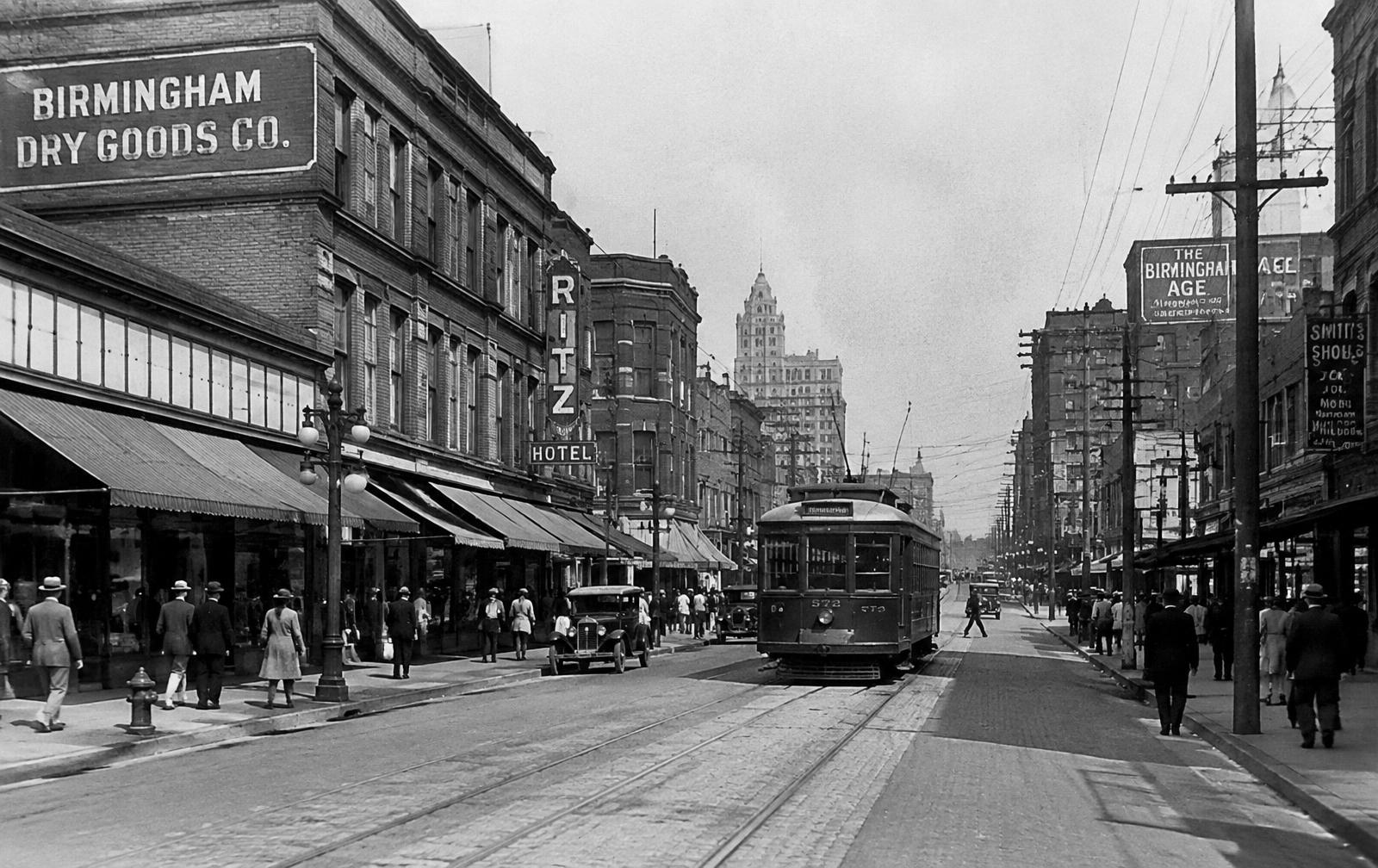
How a football game became a civic holiday. The details, drawn from two months of reporting and public records and payroll data, describe a from the archives story that has been building in Birmingham for longer than most residents realize.
On paper the question looks technical. In practice it lands on porches, in waiting rooms and on the shop floor. "People here have heard promises before," said one resident who has lived within a mile of the site for thirty-one years. "What they want is a date on a calendar and somebody who answers the phone."
Birmingham arrived at this moment by a familiar route. The city grew fast around iron, coal and the railroads that met here in 1871, then spent the better part of a century absorbing the consequences of that growth — the prosperity and the neglect alike. Decisions made in one decade set the terms of the next, and the record is unusually legible in a place that kept its furnaces standing.
Conversations with officials and workers show a pattern rather than an incident. Where funding arrived early and stayed steady, outcomes improved measurably. Where it arrived late, or in one-time grants tied to a single budget cycle, the gains reversed within three years. Analysts who study Southern metropolitan areas describe the same dynamic in Memphis, Jackson and Chattanooga.
Officials do not entirely dispute that reading. They argue, reasonably, that the constraints are real: a property tax base capped by state law, competing obligations that all arrived at once, and a workforce that takes years to train. "We are not choosing between a good option and a bad one," a department director said. "We are sequencing a list where everything on it is urgent."
That sequencing is where the disagreement sharpens. Community groups want commitments published in advance, with milestones the public can check. Administrators counter that publishing a schedule before contracts are signed invites litigation and inflates bids. Both positions have evidence behind them, which is part of why the argument has lasted this long.
The national comparison is instructive without being conclusive. Cities of Birmingham's size — roughly 200,000 residents inside the line, more than a million in the metropolitan area — consistently report the same squeeze: the obligations of a big city, the revenue of a mid-sized one. What separates the places that made progress is unglamorous. They wrote plans, funded them for longer than one election cycle, and measured results publicly even when the results embarrassed them.
There are early signs of that discipline here. Quarterly reporting has improved. A dashboard that once updated twice a year now updates monthly, and its numbers have occasionally contradicted official statements — which, several observers noted, is the point of publishing them at all.
What happens next is mostly a matter of follow-through. A vote is expected before the end of the quarter. Contracts, if approved, would be let in the following months, with the first visible work beginning after that. Residents who have watched similar timelines slip are withholding judgment until equipment appears on the street.
For now the story of magic city classic's first century belongs to the people living inside it: the homeowner tracking a repair request, the manager rewriting a schedule, the student whose route changes in January. They are the measure the Post intends to keep applying. We will report the vote, and then we will report what actually arrived.
The Birmingham Post — a Wiki.News publication